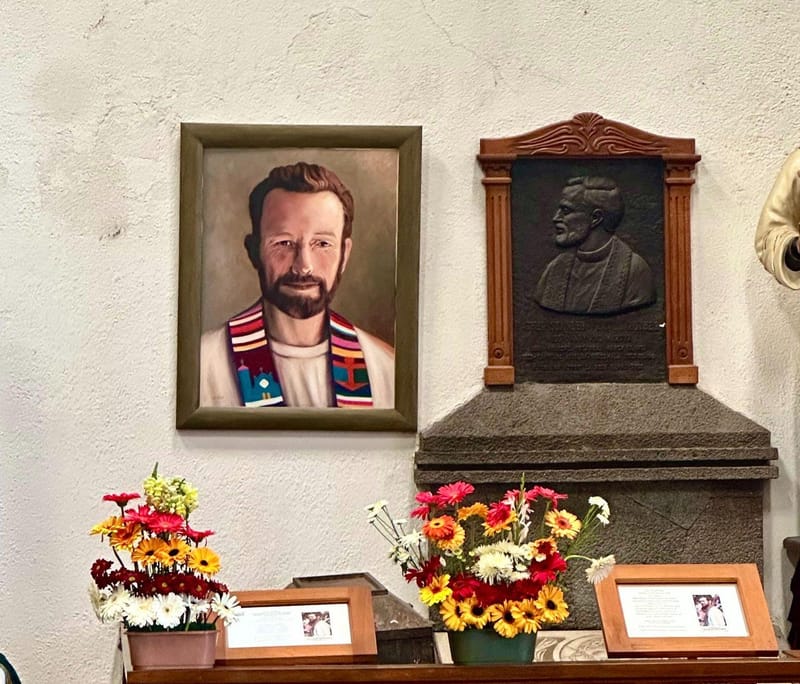
📖 Story · Lake Atitlán, Guatemala
Santiago Atitlán: Maximón, the 36-year Civil War, and a Town’s Resilience
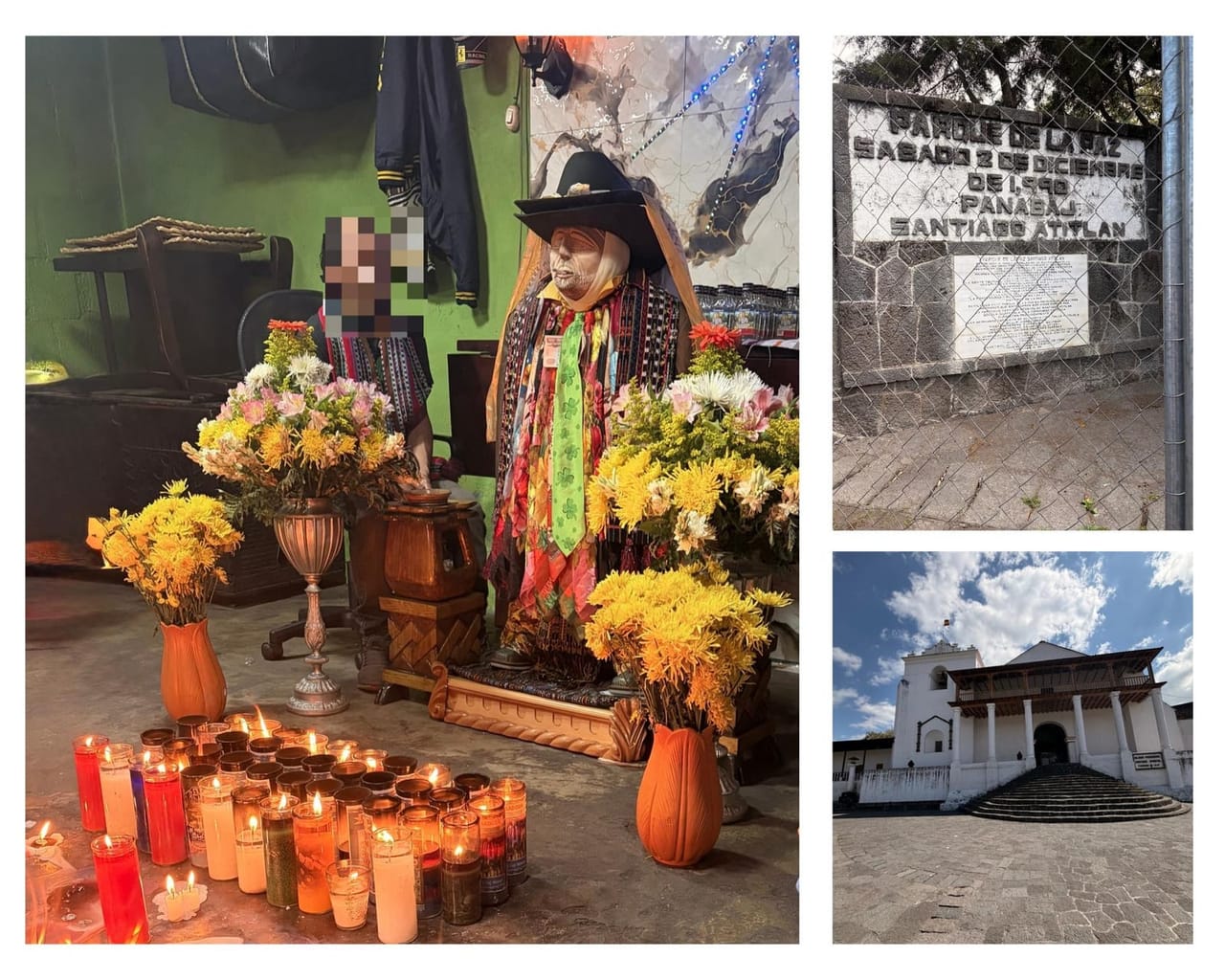
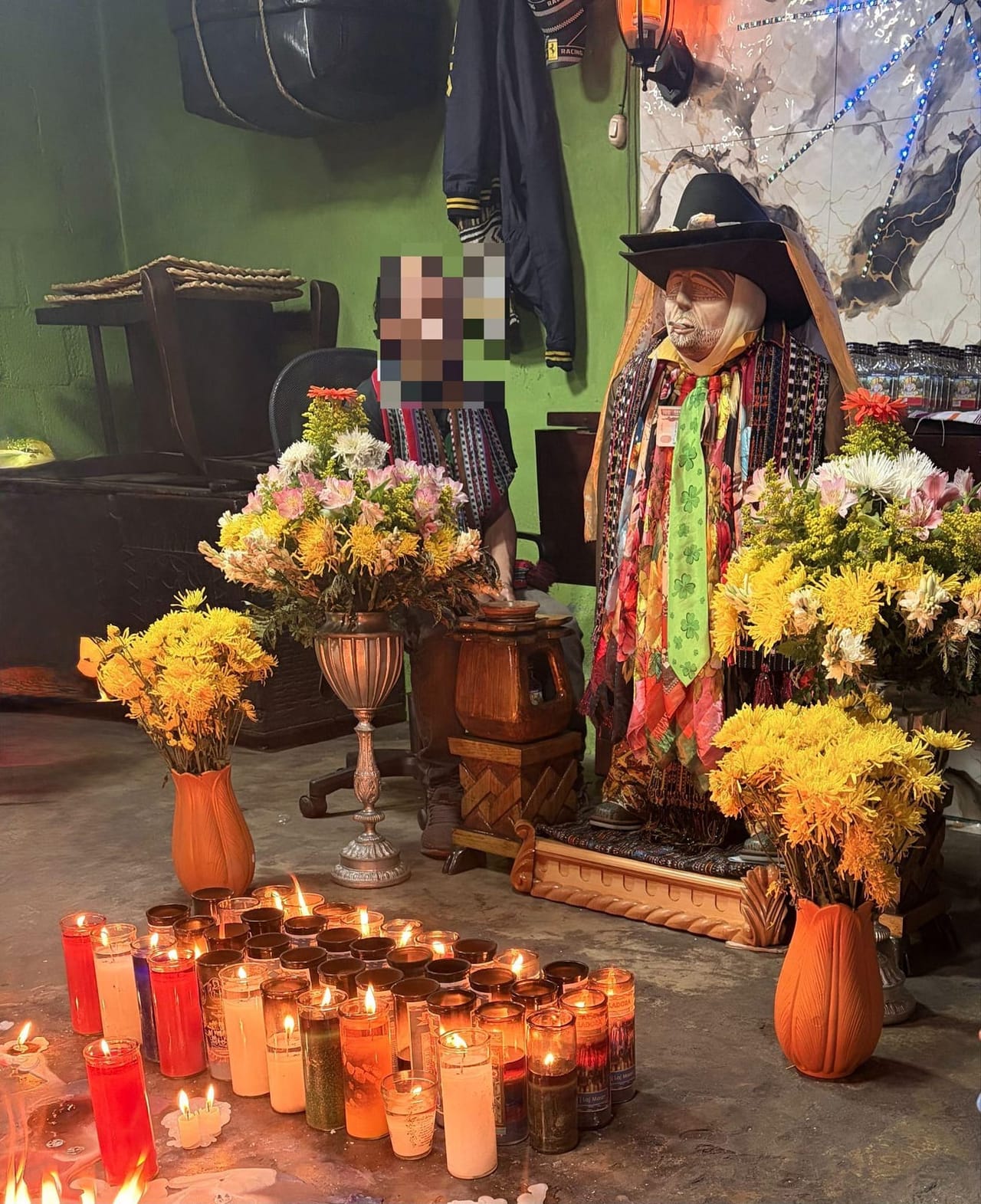
One moment I am in a cafe, and the next, all of a sudden, I’m in a little room in the home of a local while a shaman performs a ritual in front of a small statue that is smoking a cigarette. Decorated with neckties and a room full of people praying to him. I truly didn’t know what we got ourselves into. Who was this mystical figurine?
On one of our last days at Lake Atitlán, we visited Santiago Atitlán. The plan was to find a cute cafe and settle in with our laptops for the day. But it didn’t turn out that way, and the tour we went on left a big impression on both of us. It was a beautiful education on identity, resilience, and the importance of community.
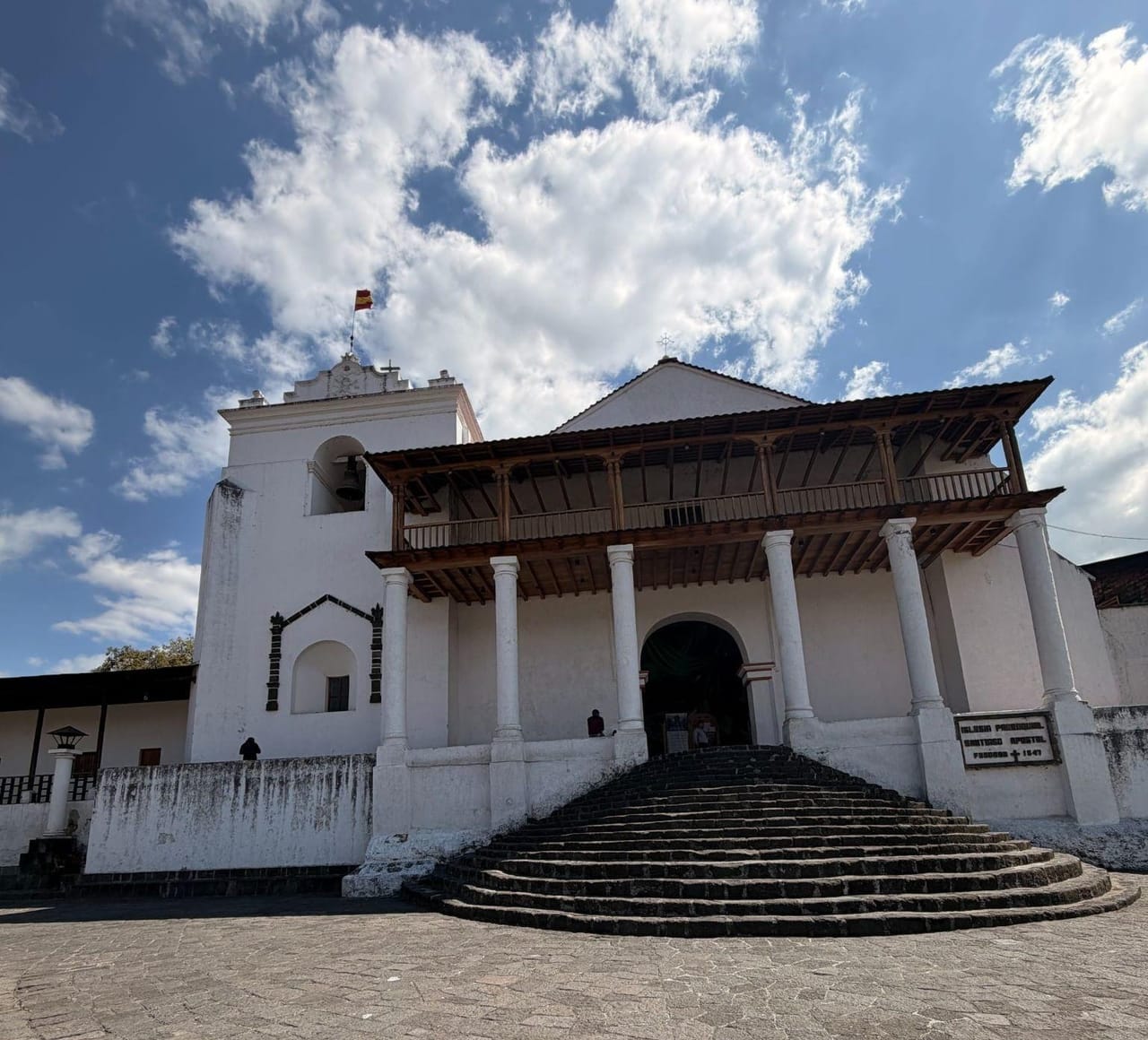
On the tour we learned that after the Spanish invaded the region in 1524, they forced the indigenous people to adopt Catholicism, but the people of Santiago Atitlán found a way to mix their traditional beliefs with the new beliefs. They did this in big and small ways. A small way in which they incorporated their culture with Catholicism can be seen when you visit the main church in Santiago Atitlán. You might notice that the religious statues are all dressed in traditional Maya clothing. It may seem like a small detail, but it stood out to me because it reinforces a commitment to staying connected to their culture even as new beliefs had to be adopted.
The statue being prayed to was Maximón. Our guide told us Maximón is a Maya deity whose roots go back before the Spanish conquest, and that after the Spanish arrived, the Maya people wanted to continue to worship their own gods, so they dressed him in disguises and moved his statue around to be hidden with local families. He still exists today, and every year he is relocated to a different part of Santiago to live with and be guarded by locals. It was very moving to sit in his presence because I kept thinking about how long Maximón has been in existence and protected and what kind of commitment that takes from a community. Customs and traditions are lost when they are taken for granted, but I’m very sure that even the youngest residents of Santiago Atitlán understand how important Maximón is for their community, and that’s admirable.
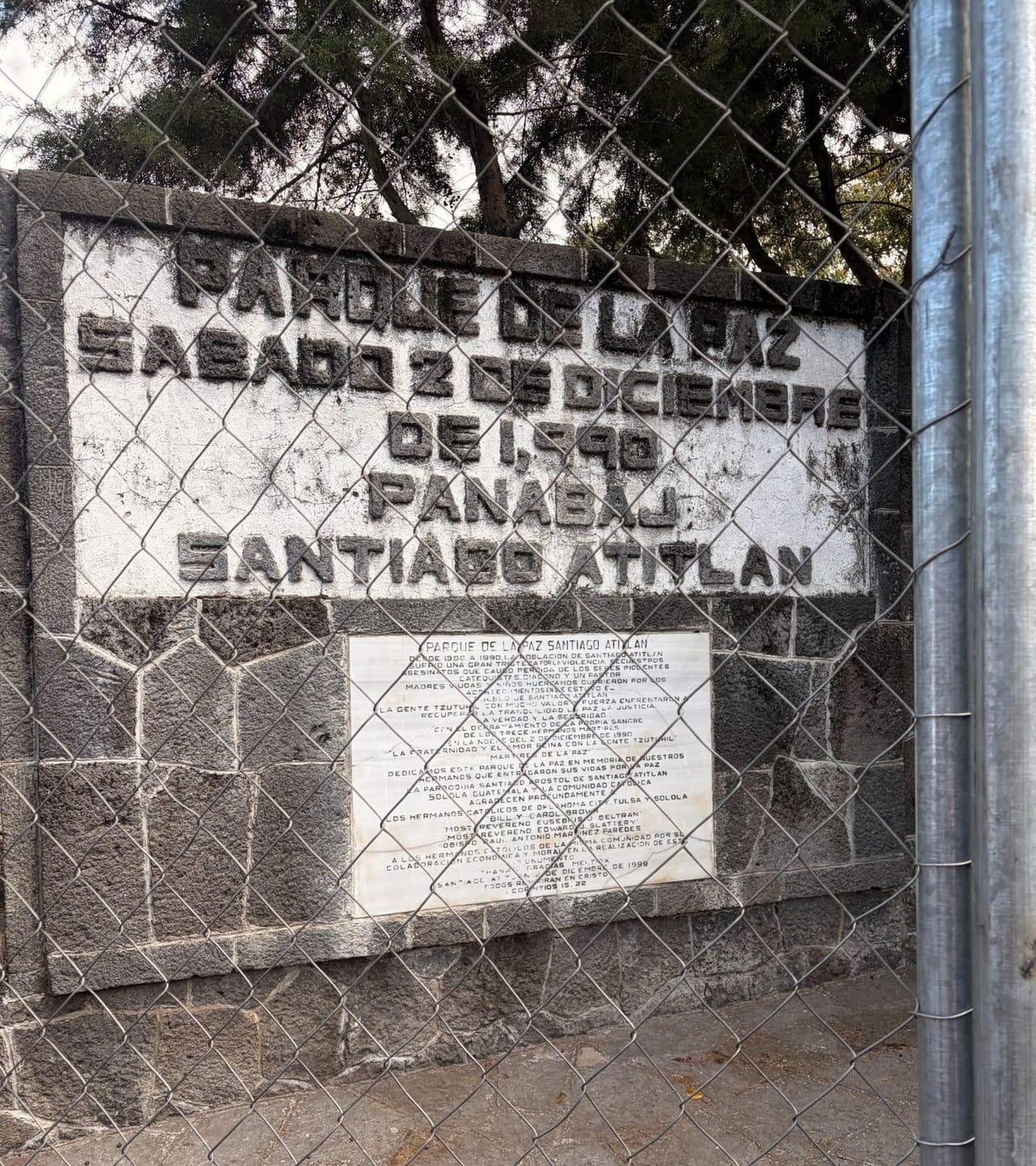
Lastly, we visited the Parque de la Paz, where we learned about the civil war that raged across Guatemala for 36 years. The people of Santiago Atitlán peacefully protested the military occupation of the town. On December 2nd, 1990, soldiers at the local military base opened fire on the crowd, and at least 13 people were killed. The tragedy led the town to come together and petition for the military to leave. Eventually they were able to push them out, and even though the civil war officially ended in 1996, in Santiago Atitlán it effectively ended on December 20th, 1990. What an extraordinary accomplishment for a small community.
What I admire most about the people of Lake Atitlán and Guatemala is how resilient and committed they are to their communities. They have faced a lot of violence over years, but they have stood together through it all. They have such a beautiful country and so much wisdom to share. If you are reading this, I hope you pay a visit to this place that is so much more than the headlines.