🧭 Field Guide · Lake Atitlán
Best Things to Do at Lake Atitlán: A Complete Guide
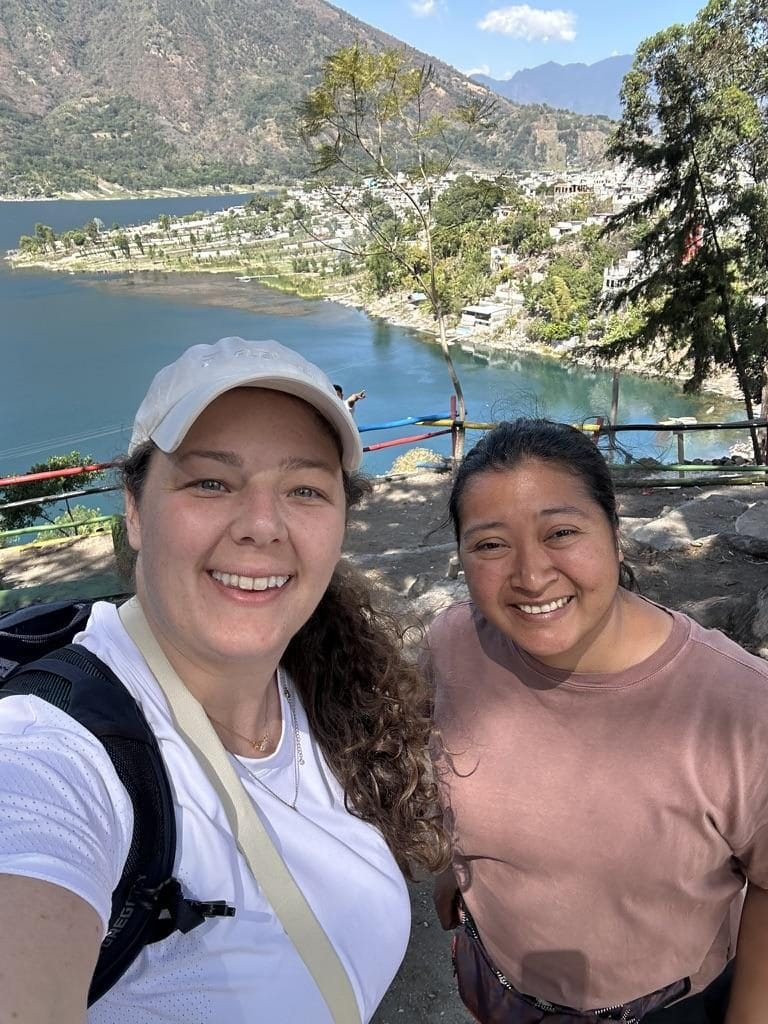
So you made it to the lake; now what do you do? Explore one of the most unique places on earth; that’s what you do. There are 12 villages around the lake, each with its own distinct vibe. You have so many options. I was interested in the nature and learning about Mayan culture. Carly wanted to explore the area’s cuisine and learn about the experiences of the women who live here. At the end of our time at the lake, we felt like we had made the most of our time there.
It’s hard to sift through the dozens of blogs and recommendations, but coming from two people who stayed there for a month, here is what we actually think is worth your time.
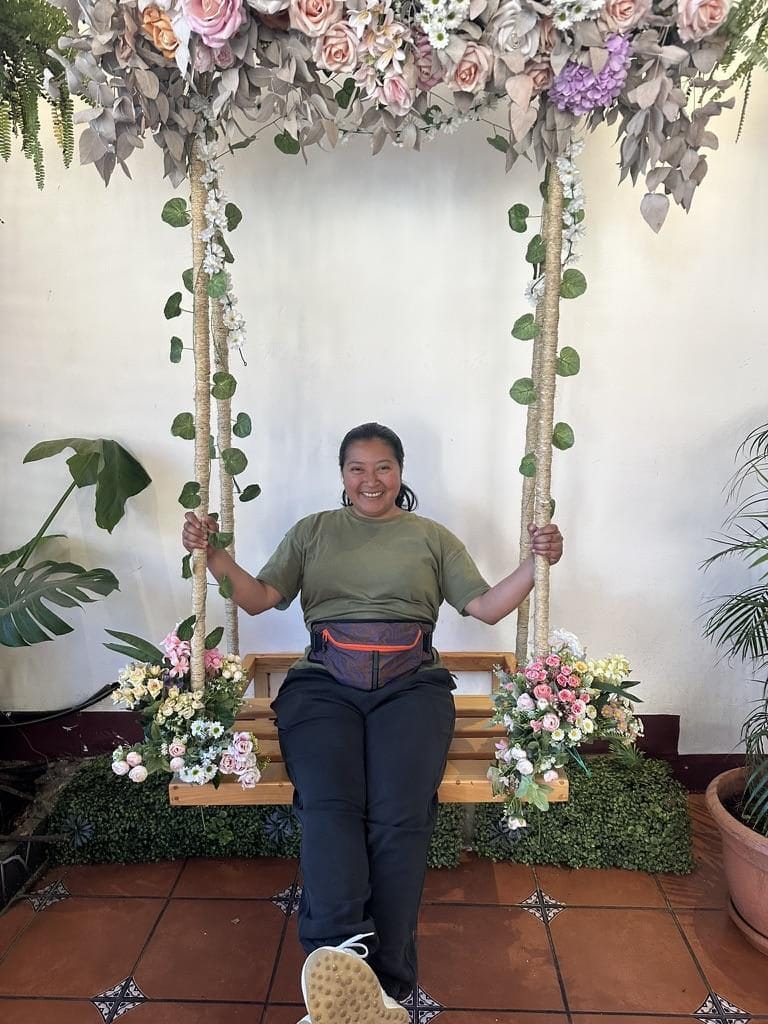
Quick-Answer Summary
The top experiences.
- Mayan Ceramics in San Pedro
- Backstrap Weaving in San Juan
- Tuk-tuk Tour in Santiago
We’d recommend staying at least 10 days at the lake to village-hop and have plenty of time for activities.
Village-Hopping the Lake
Most of the villages are small enough to explore in a day. The best way to village hop is by lancha (boat). Lancha rides typically cost around Q10-Q25 depending on distance. Also, if all you did was explore villages, you would still have a great time and get a good sense of the place.
These are the villages we visited:
Panajachel: Guatemalans come here to vacation, and for many international travelers, it is the first stop when arriving at the lake. It’s a good base for visiting other towns on the lake.
San Marcos La Laguna: San Marcos is for lovers. Lovers of nature and spirituality.
San Pedro La Laguna: San Pedro is more than a party town; lots of excursions leave from here. Also, it’s home to the most popular Spanish school on the lake.
San Juan La Laguna: By far, our favorite village on the lake. Colorful streets, friendly people, and lots of arts and crafts created by the talented local artisans. Take a traditional weaving class, a bee farm tour, or just walk around the cute streets like La Calle de las Sombrillas or La Calle de los Sombreros.
Santiago Atitlán: It gets less love than a lot of the other places at the lake, but if you want to learn about Guatemalan history, visit and take the Santiago Atitlán tuktuk tour; it’s eye-opening.
Activities we did in each village:
San Pedro La Laguna:
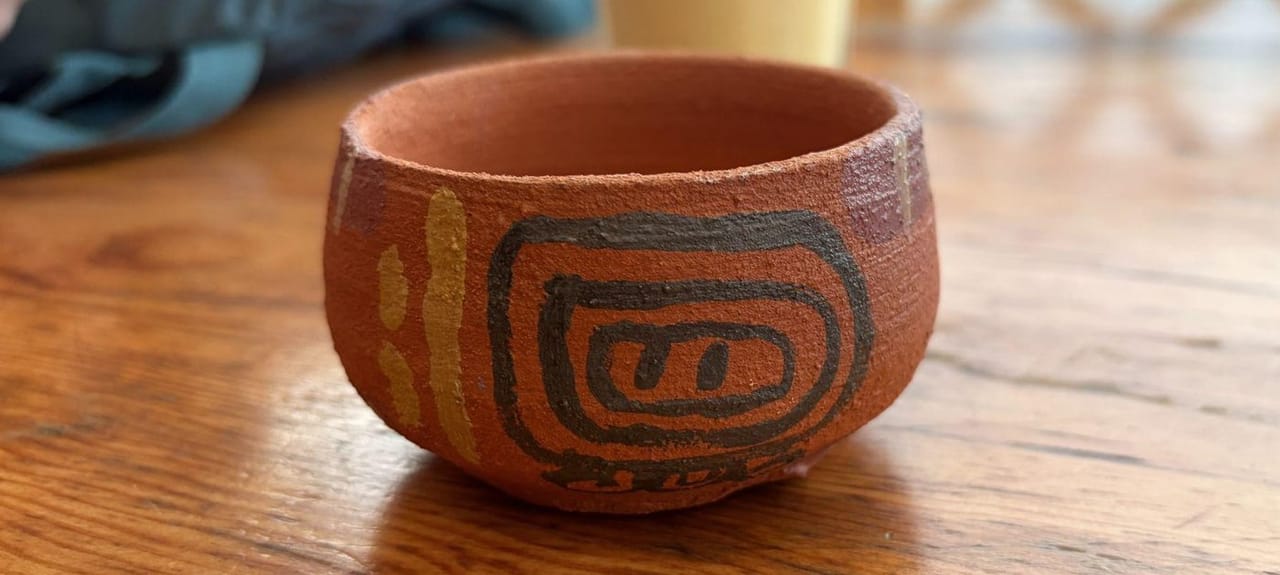
Atitlán Pottery: We found this place while walking along the water. We walked in, and Jeany explained the classes to us. Nicolas was our instructor, and his passion for Mayan culture and history is incredible. Carly took the ceramics class, and I took the painting class. It was so much fun and a great introduction to Mayan art and culture. We left feeling like we got so much more than a “pottery” lesson.
San Pedro Spanish School: Carly attended for one week, 3 hours a day, one-on-one class. 3 hours a day is the minimum, and that felt like plenty. Really good value at $135 total. I would suggest this if you are staying at the week for over a week and if you are staying in the village where you want to take classes.
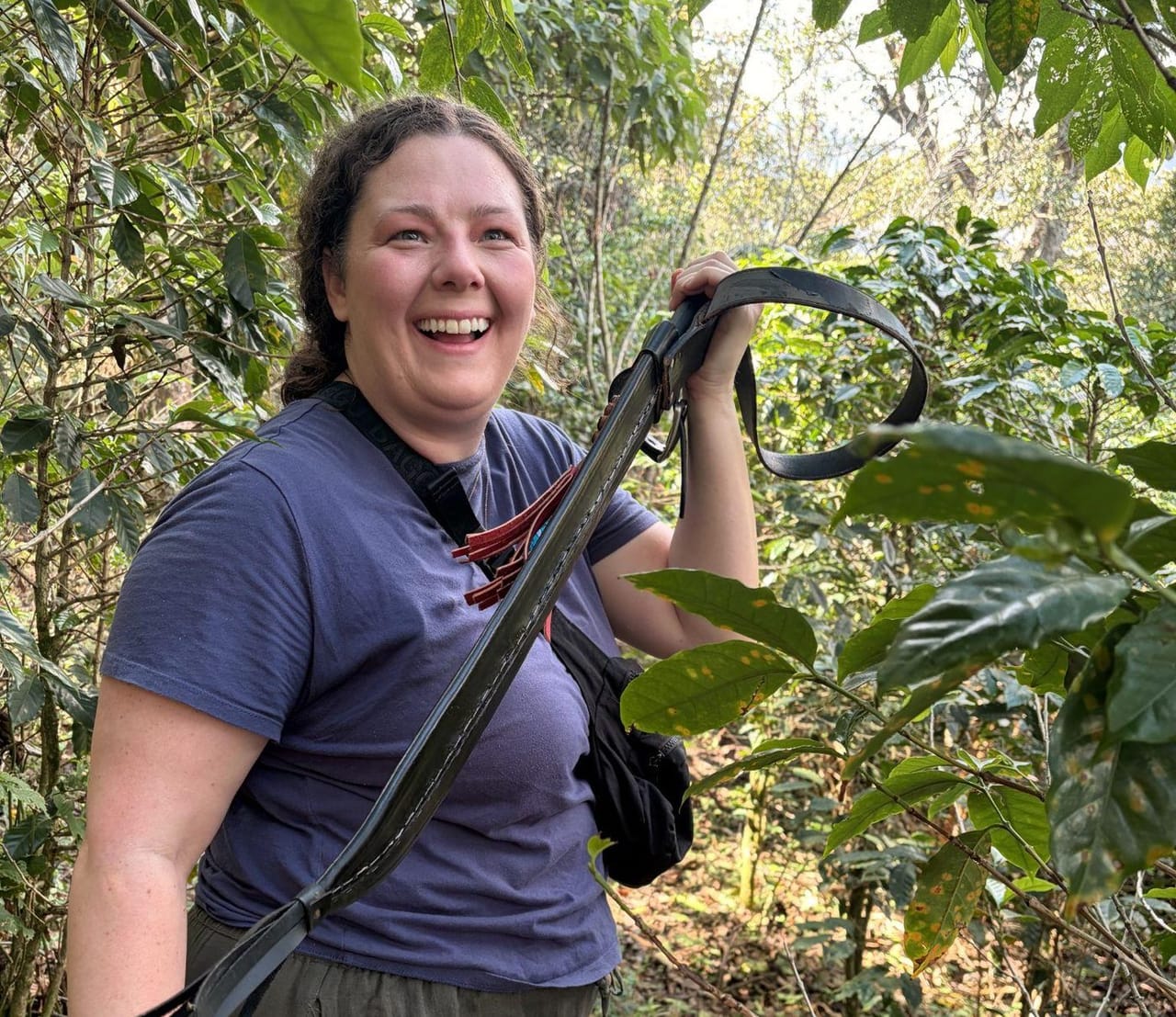
Cafe Las Cristalinas Coffee Tour: This coffee tour was more like a hike lol. We walked through coffee fields and learned from a guide who has actually worked the fields and knows the process from top to bottom. It’s not a very structured tour; you’ll likely visit the same places but not learn the same information. Guatemala is rich in coffee, and it would be a shame to come here and not experience the coffee. You don’t have to go on a tour but at minimum should go to local roasters, support local, and ask questions. They are so kind and willing to share their knowledge.
I would recommend getting coffee here, but I wouldn’t do the tour unless you want to see the coffee plantation and want more of a hike.
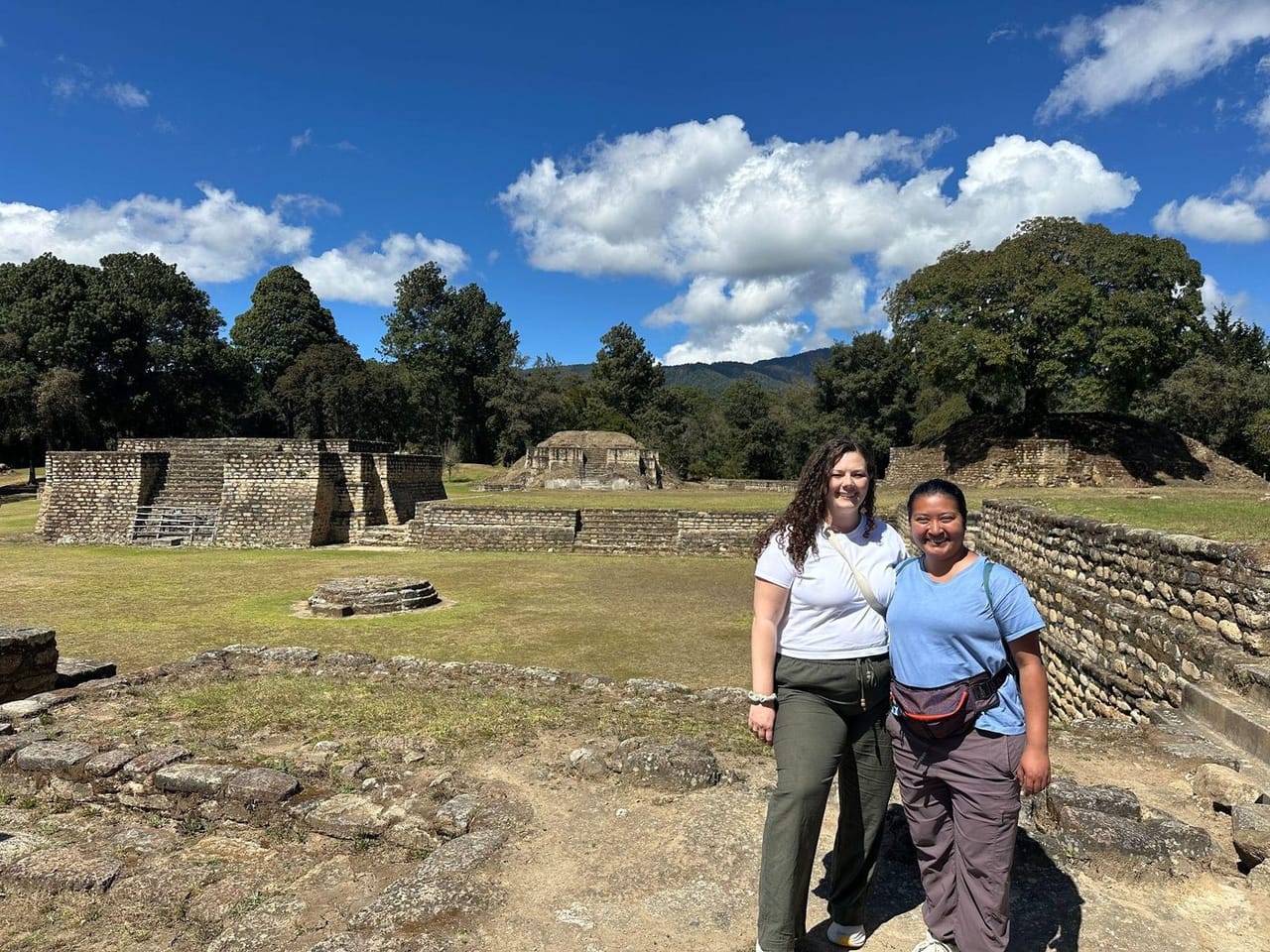
Iximche Ruins Tour: We booked this tour through Expedia, but it’s run by a tour company based in San Pedro La Laguna. They could pick us up at our accommodation in San Marcos La Laguna, which was convenient.
We wouldn’t recommend this tour if you want to see impressive Mayan ruins. The reality is that Spanish colonization ensured that Mayan cities were practically pulverized. At Iximche, most of the structures you will see are nearly leveled to the ground. I’d come here more for the educational information and less for seeing ruins.
San Juan La Laguna:
Weaving Co-op Textile demonstration: You will hear about different weaving co-ops that support local families. We took a free 15-minute demo on natural fabric dyeing and weaving at this place recommended by Dina. After the demo, it’s great to check out their shop with clothes and souvenirs made by local artisans. We bought 2 notebooks that have been traveling with us ever since. Profits from sales go to the cooperative of local families that runs the store. The store has a nice little coffee shop, too.
Please provide tips for the demo and workshops, as they do not charge for this, and this is how they earn their living.
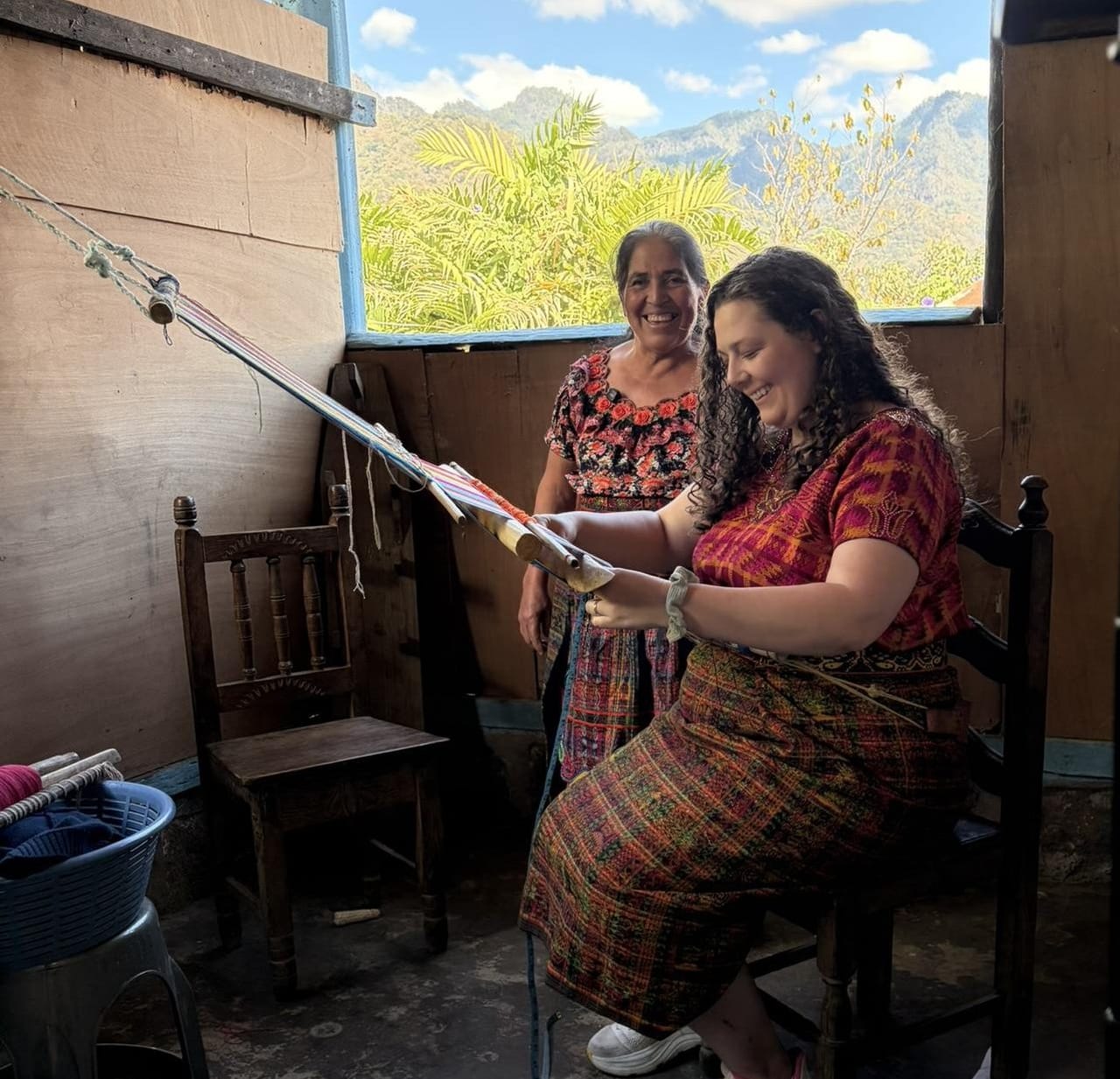
Weaving workshop: As you walk through the villages, you will see the most beautiful textiles that are all handmade by the women in the villages. Many of them learned this craft from a very young age. Carly took a weaving workshop with a local weaver named Patrona. This lasted about 6 hours, and we ended with a beautiful small tapestry and a memory to last us forever. We would consider this a “must-do.”
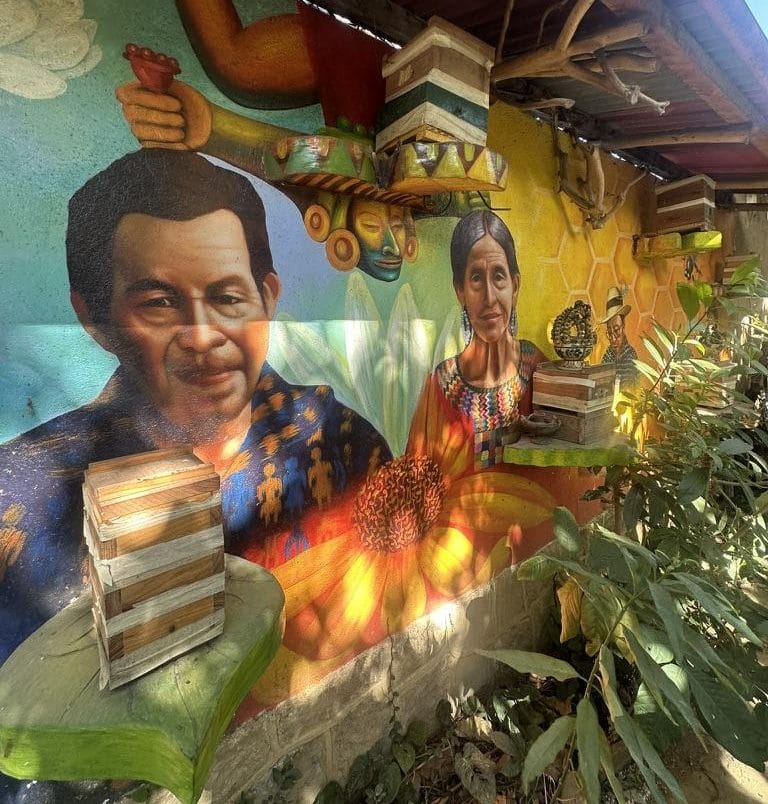
XUNAH KAAB (Bee Farm): There are several bee farms to choose from, but I picked this one because it had the best reviews. The tour is free. It is offered in either English or Spanish, which was nice. It’s a short tour, but informative. All the bees are stingless, which is so neat. We enjoyed taste-testing all the different types of honey. It isn’t required to spend money in their shop, but it’s great to support since they don’t charge for the tour. We went home with a few small honeys and tried their honey beer and tiramisu. All were delicious!
Santiago Atitlán:
When they tell you to leave room for the unexpected, this is what they mean. This one deserved its own post: The Shepherd of Santiago Atitlán.
Santiago Atitlán tuk-tuk tour: I don’t think this tour has an official name, but when you get to the Santiago Atitlán dock, look for someone wearing a white shirt with blue lettering. Honestly, most likely they will walk up to you offering the tour. Don’t be alarmed; they are official local guides from the Asociación de Guías Locales de Santiago Atitlán (The Santiago Atitlán Local Tour Guides Association).
For two people, the cost of the tour was $57.44 (tuk-tuk ride included).
Itinerary (listed in no particular order):
- Stop 1: Xechivoy Viewpoint
- Stop 2: Textile Art Workshop
- Stop 3: Iglesia Parroquial Santiago Apóstol (Parish Church of St. James the Apostle)
- Stop 4: Visiting the ceremonial house of Maximon
- Stop 5: Parque de la Paz (Peace Park)
This tour touches on topics like Mayan traditions, Spanish colonization, the Guatemalan civil war, peaceful protest, and Father Stanley Rother.
If you had this many days, this is what we would recommend.
No matter the length of time you spend at the lake, you can make the most of it. If we had limited time, this is how we would recommend spending it!
3 Days
- Explore San Pedro
- Stingless Bee Farm in San Juan
- San Juan Textile Co-op & explore the shops
- Cooking Class with Dina (or other local)
- Enjoy a meal with a view & walk along the water or go for a swim!
5 Days
- Santiago Day Trip & TukTuk Tour
- Mayan Ceramics in San Pedro
- Explore San Juan & San Pedro
- Stingless Bee Farm
- Backstrap Weaving Workshop
- Cooking Class with Dina (or other local)
10 Days
- 5 Days of Spanish School (3 hrs/day)
- Santiago Day Trip & Tuk-tuk Tour
- Mayan Ceramics in San Pedro
- Explore San Juan & San Pedro
- Stingless Bee Farm
- Backstrap Weaving Workshop
- Cooking Class with Dina (or other local)
- Panajachel Day Trip & Explore
If you are wondering where to stay on the lake and how to choose the right village for you, check out Best Villages at Lake Atitlán.
Who This Guide Is For
Travelers who want to village-hop around Lake Atitlán and get a real sense of Mayan art, culture, and history, not just the views.